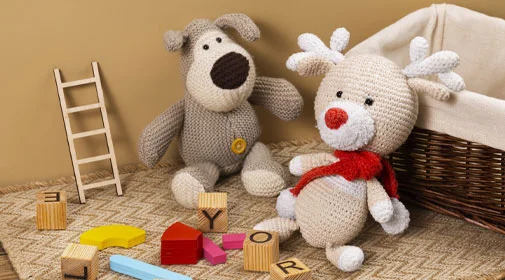


Children’s games are an essential part of children’s growth and development. These games are not only a means of entertainment and enjoyment for children, but also play a vital role in their physical, mental, social and emotional development. Children’s games help children learn different skills and gain new experiences. In this article, the importance and role of children’s games in the growth and development of children will be investigated.
All kinds of children’s games
Children’s games can be divided into different categories, each of which has a specific role in the growth and development of children. Some of these categories are:
Physical games
These types of games include physical activities such as running, jumping, playing ball and other sports. Physical games help strengthen muscles, improve body coordination and increase children’s endurance. In addition, physical games can help reduce children’s stress and anxiety.
Creative games
Creative play includes activities such as painting, building things with Lego or play dough, and role-playing. These games help develop children’s creativity and problem-solving abilities. Also, creative games can help children express their feelings and experiences in a constructive way.
Educational games
These types of games include puzzles, math games, and language learning games. Educational games help children to improve their academic and educational skills. These games can help children learn complex concepts in a fun and engaging way.
Social games
Social games include activities that encourage children to interact with others, such as group games, group role-playing, and board games. These games help children learn social skills such as cooperation, communication, and conflict resolution.
The role of play in physical development
Physical games have a very important effect on children’s physical development. Physical activities such as running, jumping and playing ball help strengthen muscles and bones and improve children’s coordination and balance. Also, physical games can help reduce the risk of health problems such as childhood obesity.
The role of play in mental development
Children’s games play an important role in children’s mental development. Educational games such as puzzles and math games help to strengthen children’s problem-solving abilities, logical thinking and concentration. Creative games also help to develop children’s creativity and cognitive abilities. These games can help children improve their language skills and learning abilities.
The role of play in social development
Social games help children develop their social skills. Group games and group role-playing give children the opportunity to cooperate, communicate and experience different roles. These games can help children learn conflict resolution skills and manage their emotions. Social games can also help children develop a sense of empathy and respect for others.
The role of play in emotional development
Children’s games play an important role in children’s emotional development. Creative play allows children to express their feelings and experiences in a constructive way. Role-playing games also help children get to know their emotions and learn how to manage them. Physical games can help reduce children’s stress and anxiety and increase their sense of happiness and satisfaction.
Challenges of children’s games in today’s world
Despite the importance of children’s games, there are many challenges in this field in today’s world. One of these challenges is the reduction of playing opportunities due to academic pressures and extracurricular activities. Many children have less time to play and spend more time on academic activities. Also, the increased use of digital technologies such as tablets and smartphones has reduced children’s physical activities and creative games.
Strategies to encourage children’s games
Various strategies can be used to encourage children’s games and increase the opportunities for children to play. Some of these solutions are:
Encourage physical play
Parents and teachers can encourage children to play physical games.
Creating safe and appropriate play spaces at home and school can help children to engage in physical activities more.
Limit technology time
Limiting the time spent on tablets and smartphones can help children engage in more creative and physical play. Parents can set specific times for using digital technologies and give children time to participate in other activities.
Encouraging group games
Parents and teachers can encourage children in group games and role-playing. These games help children develop their social skills and enjoy interacting with others.
conclusion
Children’s games play a vital role in the growth and development of children. These games help children to develop their physical, mental, social and emotional skills. Considering the challenges in today’s world, parents and educators should try to provide more opportunities for children’s games and encourage children to play physical, creative, educational and social games. By doing this, they can help improve the quality of life of children and their comprehensive development.