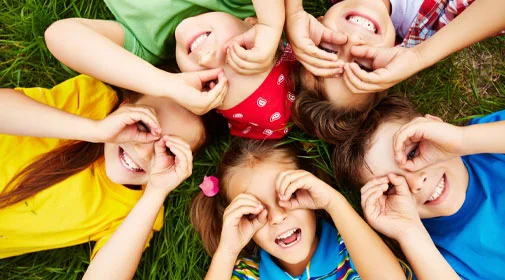


Child psychology is a branch of psychology that studies the mental, emotional and social development of children. This field of science tries to help us understand how children think, feel, and behave. By understanding these processes, we can find better ways to nurture them and identify and treat possible problems in the early stages.
Mental growth
Mental or cognitive development of children includes processes such as thinking, memory, problem solving and language learning. Jean Piaget, one of the most prominent theorists in this field, has introduced four main stages of cognitive development:
- Sensory-motor stage (0-2 years old): In this stage, children get to know the world through senses and motor actions. They learn basic concepts by manipulating objects and observing the results of their actions.
- Preoperational stage (2-7 years old): In this stage, children begin to use language and symbols, but they are not yet capable of full logical thinking. They tend to have self-centered thinking and see the world from their own point of view.
- Objective operation stage (7-11 years old): In this stage, children acquire the ability to think logically about concrete objects and events. They can understand concepts such as volume, number and time and solve problems logically.
- Abstract operation stage (11 years old and later): In this stage, children are able to think abstractly and hypothesize. They can think about more complex concepts and hypothetical problems and form more complex logical arguments.
Emotional growth
Children’s emotional development includes their ability to understand and manage their own and others’ emotions. One of the prominent theories in this field is John Balby’s attachment theory, which emphasizes that children need to develop strong emotional bonds with their parents or caregivers. These bonds provide the foundation for healthy emotional development and help children feel safe and secure.
Children face different challenges at different stages of their emotional development. In the early years of life, they need attention and emotional support to feel safe and valued. At older ages, children need to learn skills to manage emotions and solve interpersonal problems. Teaching social and emotional skills helps children to better deal with their emotions and establish healthier relationships with others.
Social growth
Children’s social development includes their ability to communicate and interact with others. These skills are developed through play, family interactions, and educational environments. Erik Erikson, another prominent theorist, has introduced stages of psychosocial development that address the social and psychological challenges of children at different ages.
One of the most important stages of social development is the stage of trust versus mistrust (0-18 months). At this stage, children form a sense of trust or mistrust towards the world around them through early experiences with their caregivers. Another important stage is the stage of self-education against shame and doubt (18 months to 3 years old), in which children must learn to experience autonomy and control over their actions.
During the school years, children enter the stage of action against fruitlessness (ages 6-12) in which they develop their abilities in various areas and experience feelings of competence or inadequacy. During adolescence, they enter the stage of identity versus confusion (12-18 years old) where they must find their personal and social identity.
The role of family and environment
Family and environment play a very important role in children’s psychological development. The family is the first place where children experience the basic concepts of love, trust, and security. Parents can help children’s healthy psychological development by providing a supportive and loving environment. Also, educational environments such as schools and kindergartens also have a great impact on the social and cognitive development of children.
The importance of play
Play is one of the most important tools for children’s learning and development. Through play, children develop their motor, social, cognitive and emotional skills. Imaginative games help children develop their creative abilities and see things from different angles. Group games also help children learn cooperation and problem-solving skills.
conclusion
Child psychology helps us to better understand the complex processes of mental, emotional and social development of children. With this understanding, we can provide the right environments for their upbringing and education and help children grow into healthy and balanced adults. Paying attention to the emotional and psychological needs of children, supporting their cognitive and social development and creating appropriate play and learning environments are among the most important duties of parents, educators and society as a whole.